
How to Tell if a Hermit Crab is Sick
How to Tell if a Hermit Crab is Sick

Determining the health of your pet can be challenging since these crustaceans are naturally shy. Understanding the physical and behavioral indicators of illness allows you to intervene quickly and provide necessary support. Identifying early warning signs of distress is essential to ensure your hermit crab food and habitat adjustments happen before it is too late. Feel free to contact us if you need further expert care advice.
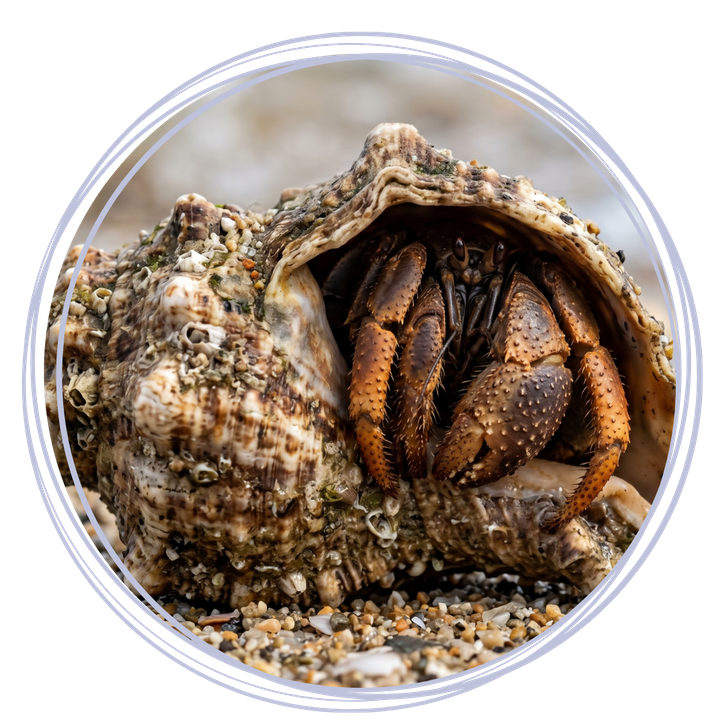
Lethargy and Sluggish Behavior
Healthy crabs are active nocturnal explorers, so a sudden lack of movement is a major red flag. If your pet appears immobile, pale, or "depressed" for several days, they may be suffering from environmental stress or underlying illness. Evaluate your hermit crab care routine immediately to ensure heat and humidity levels are optimal.
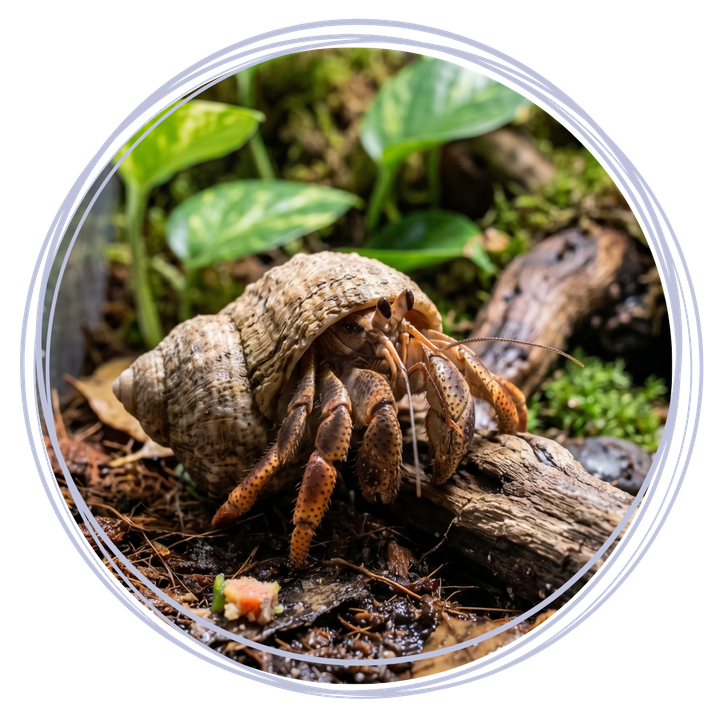
Dropping the Shell Unexpectedly
A hermit crab leaving its shell is often a sign of extreme distress or weakness. While they occasionally swap for a better fit, a "naked" crab is vulnerable and likely sick. If you notice this behavior, provide a variety of shells and high-quality hermit crab food to help them regain the strength needed to re-shell.
Hanging Shell-less in the Water
Seeing a crab sitting in a pool without its shell is a critical emergency often caused by severe dehydration. This behavior is frequently a "death sentence" if not addressed instantly, as the crab is desperately trying to hydrate its gills. Check your humidity gauges now to prevent further health decline in your colony.
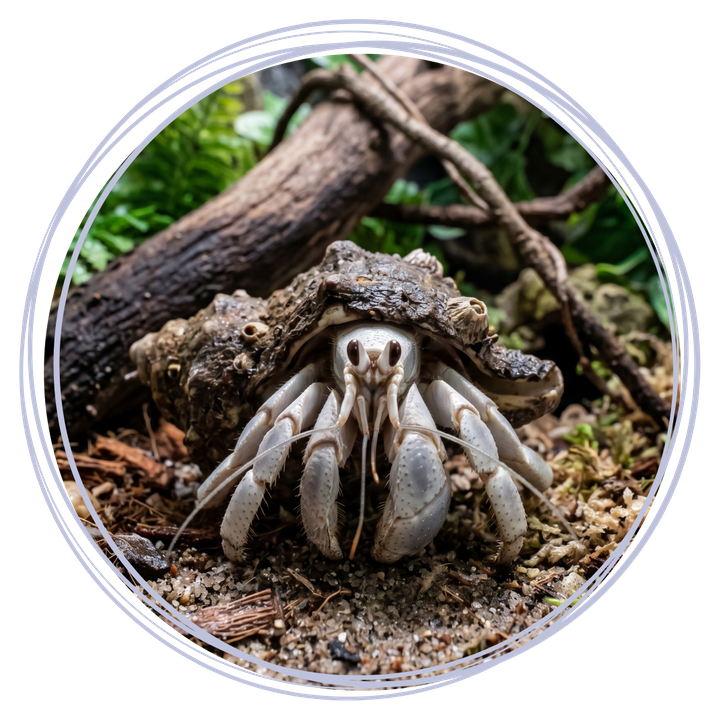
Color Changes and Pale Limbs
While molting causes temporary color shifts, a persistent pale or ashy appearance often indicates a lack of proper nutrients or impending illness. Providing a diverse diet is the cornerstone of hermit crab pet health. Ensure they receive calcium-rich supplements and natural proteins to help them maintain a vibrant, healthy exoskeleton throughout their life.
FAQs
Protecting Your Hermit Crab’s Health
Monitoring your hermit crab pet daily is the best way to catch these subtle signs before they become fatal. By maintaining a perfect environment and offering nutritious food, you ensure your crab thrives. Explore our site for more care resources today.